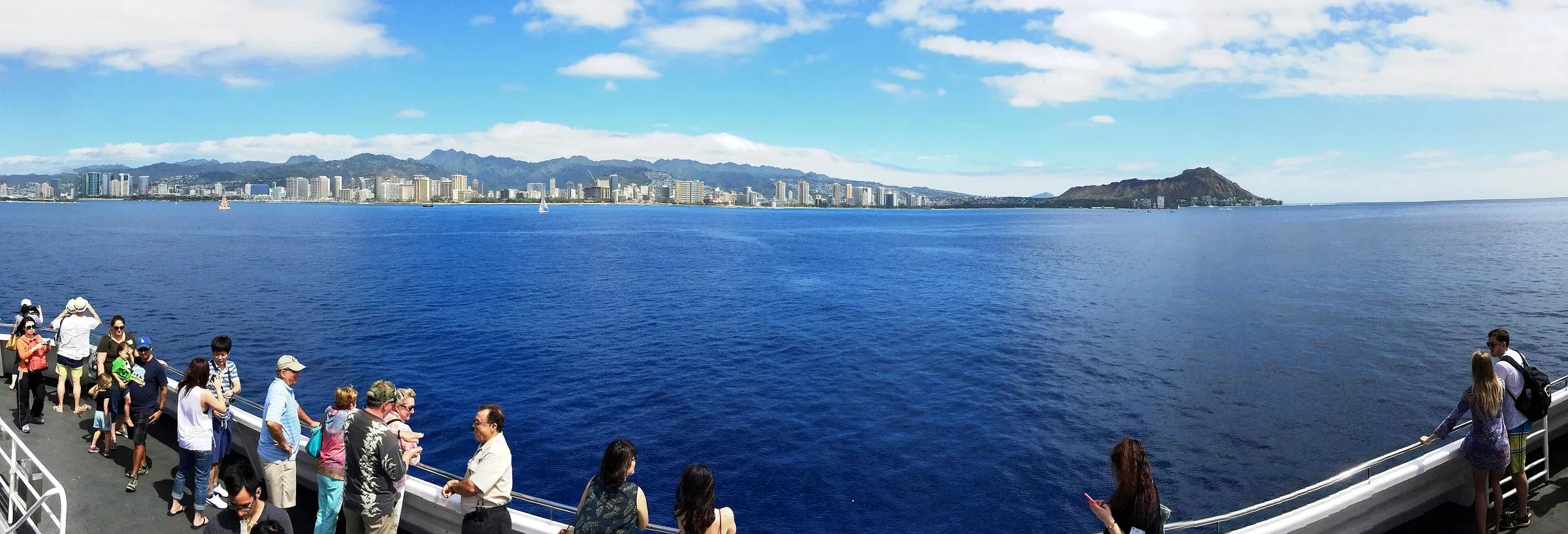
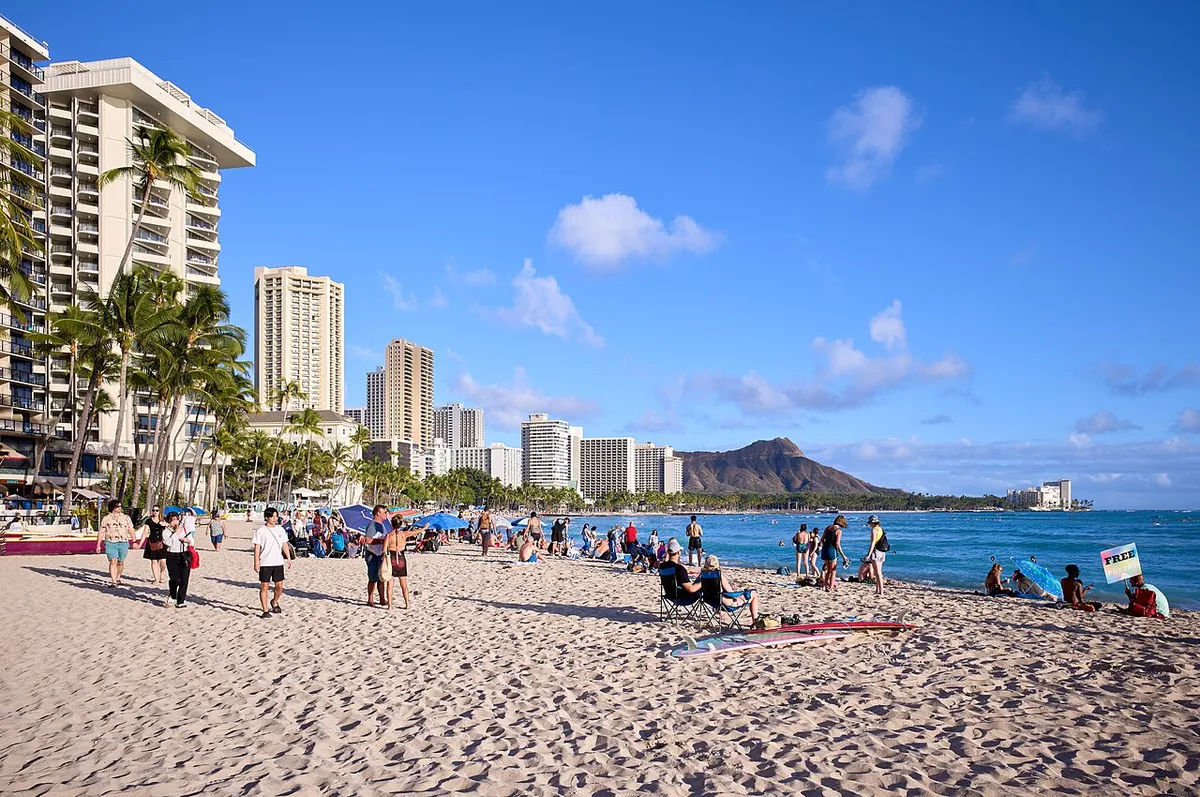
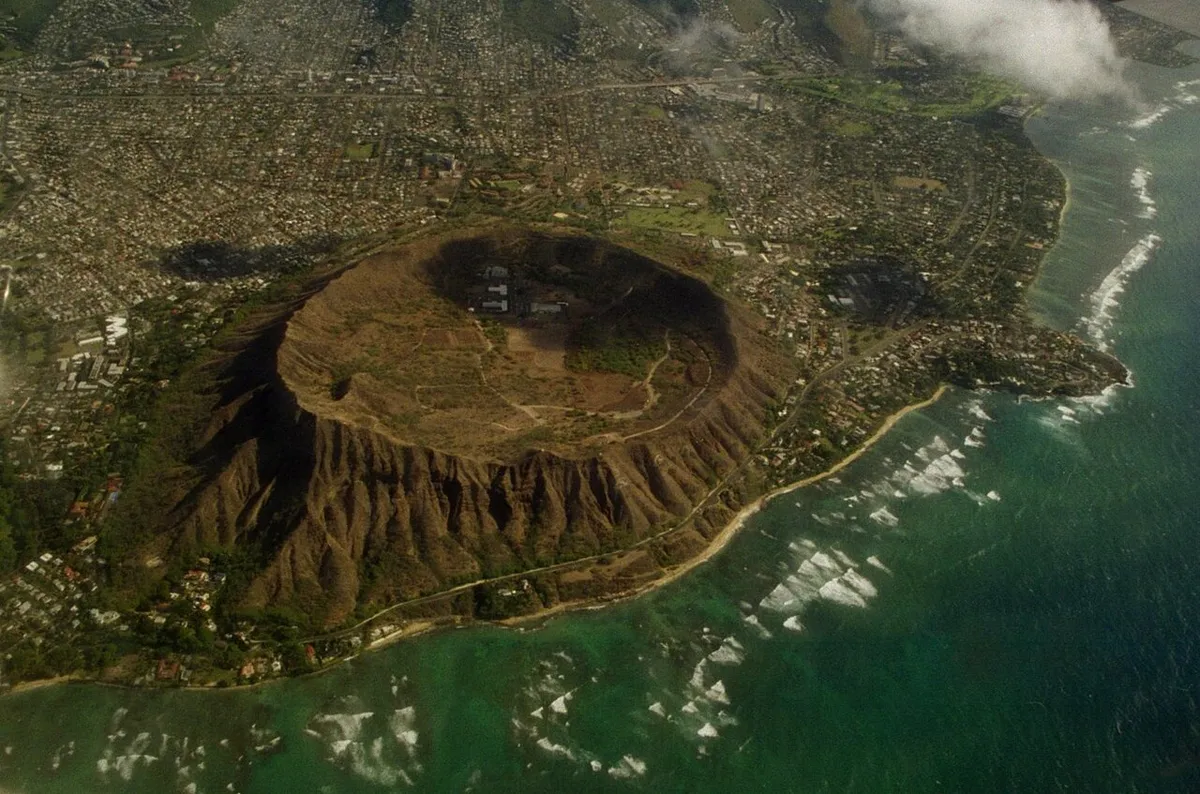
Honolulu runs along Oʻahu’s south shore from historic downtown to Waikīkī and the slopes of Lēʻahi. Stay in Waikīkī to walk to the beach and dinner. Ala Moana and Kakaʻako sit between the sand and the city’s civic center.
Waikīkī has the largest cluster of Honolulu hotels. Kalākaua Avenue follows the beach past surf schools, shops and restaurants. Kūhiō Avenue, one block inland, has the bus stops and a slower pace. The eastern end is closer to Kapiʻolani Park, the zoo and the approach to Lēʻahi, but farther from the airport and downtown.
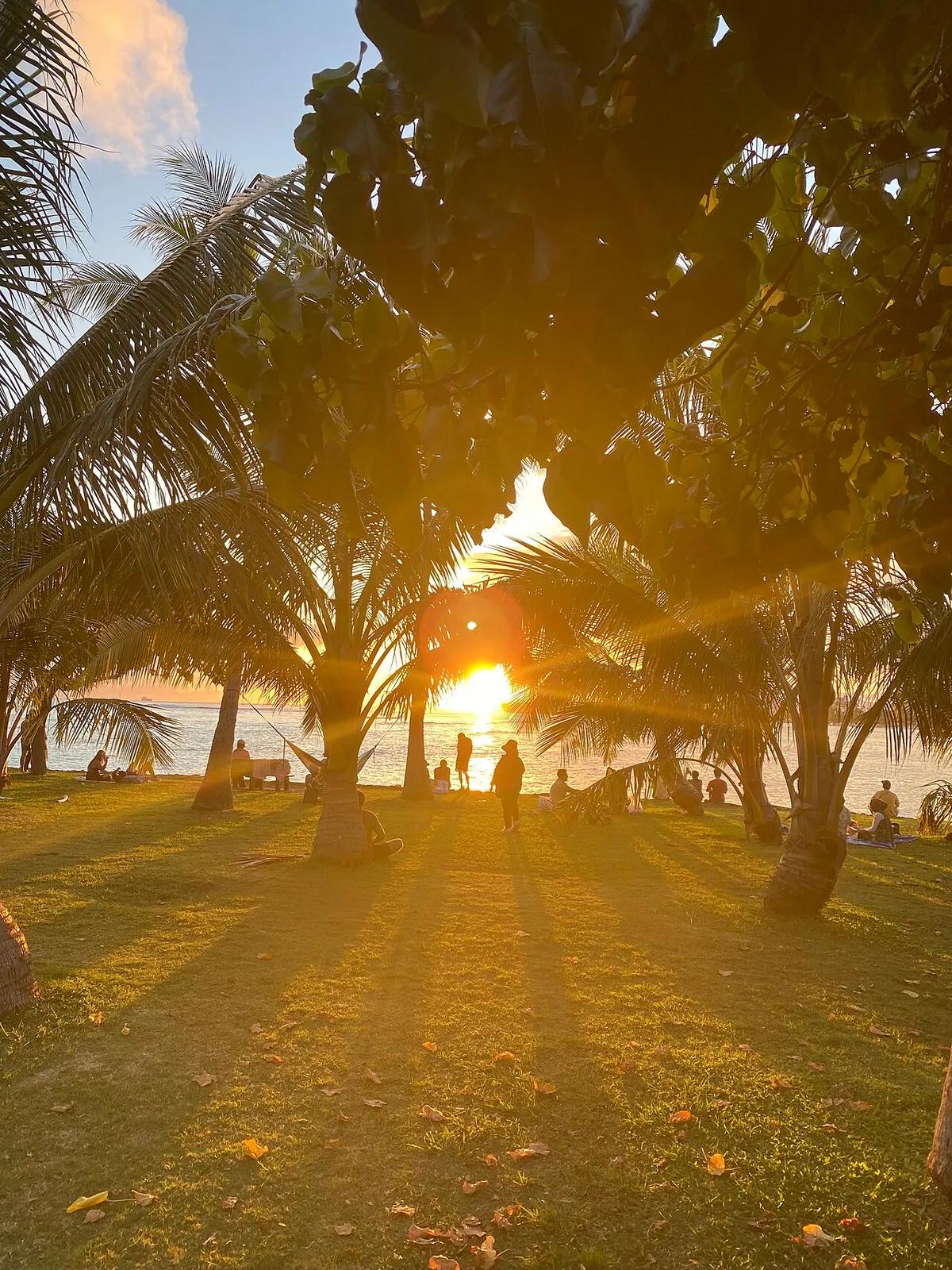
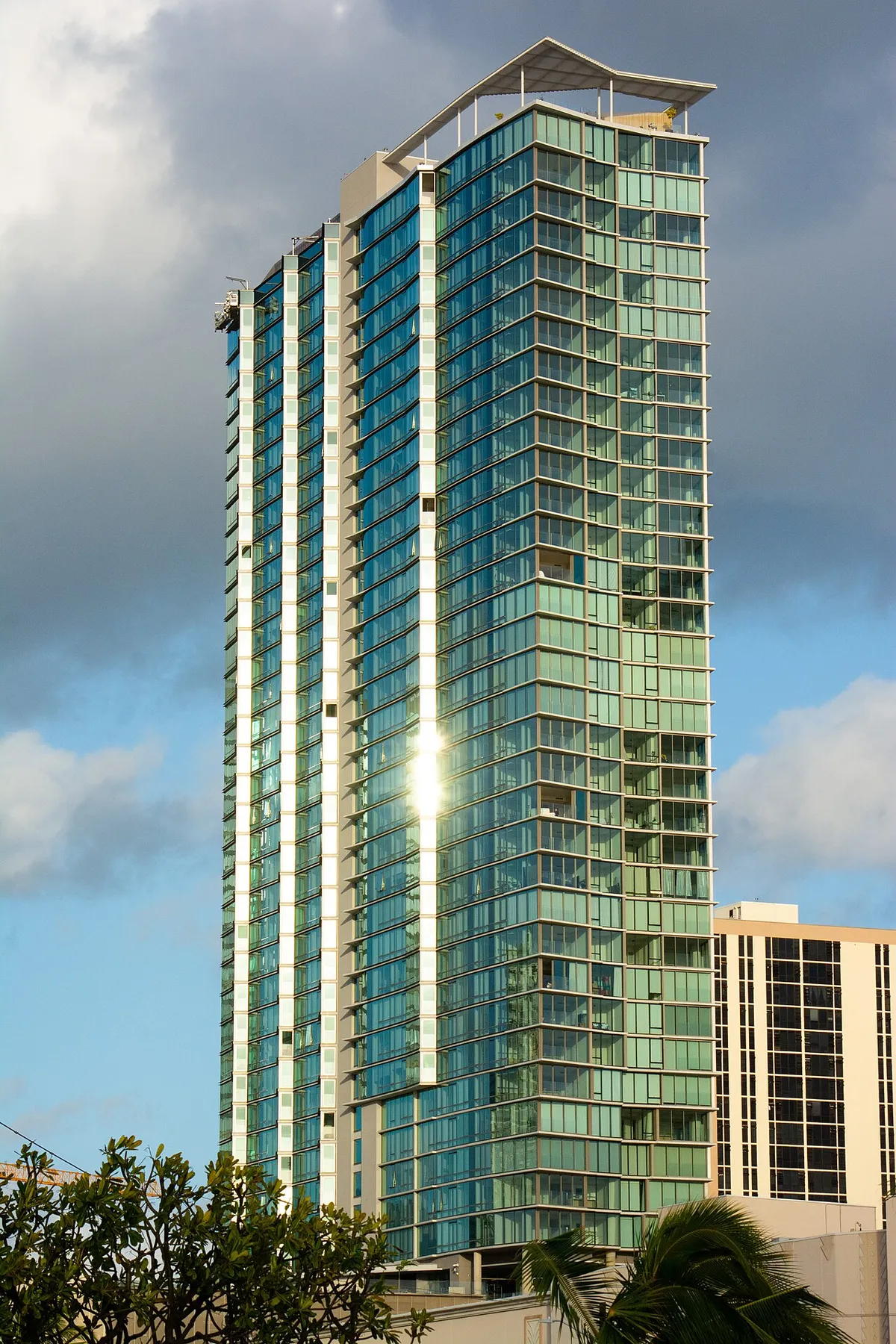
Ala Moana Beach Park and its calm water sit between Waikīkī and Kakaʻako. The Ala Moana Center is across the boulevard from the park. Farther west, Kakaʻako and Ward Village mix newer residences, dining and the Kewalo Basin waterfront. Stay here for city errands and some beach time. You won’t have Waikīkī’s sand outside the door.
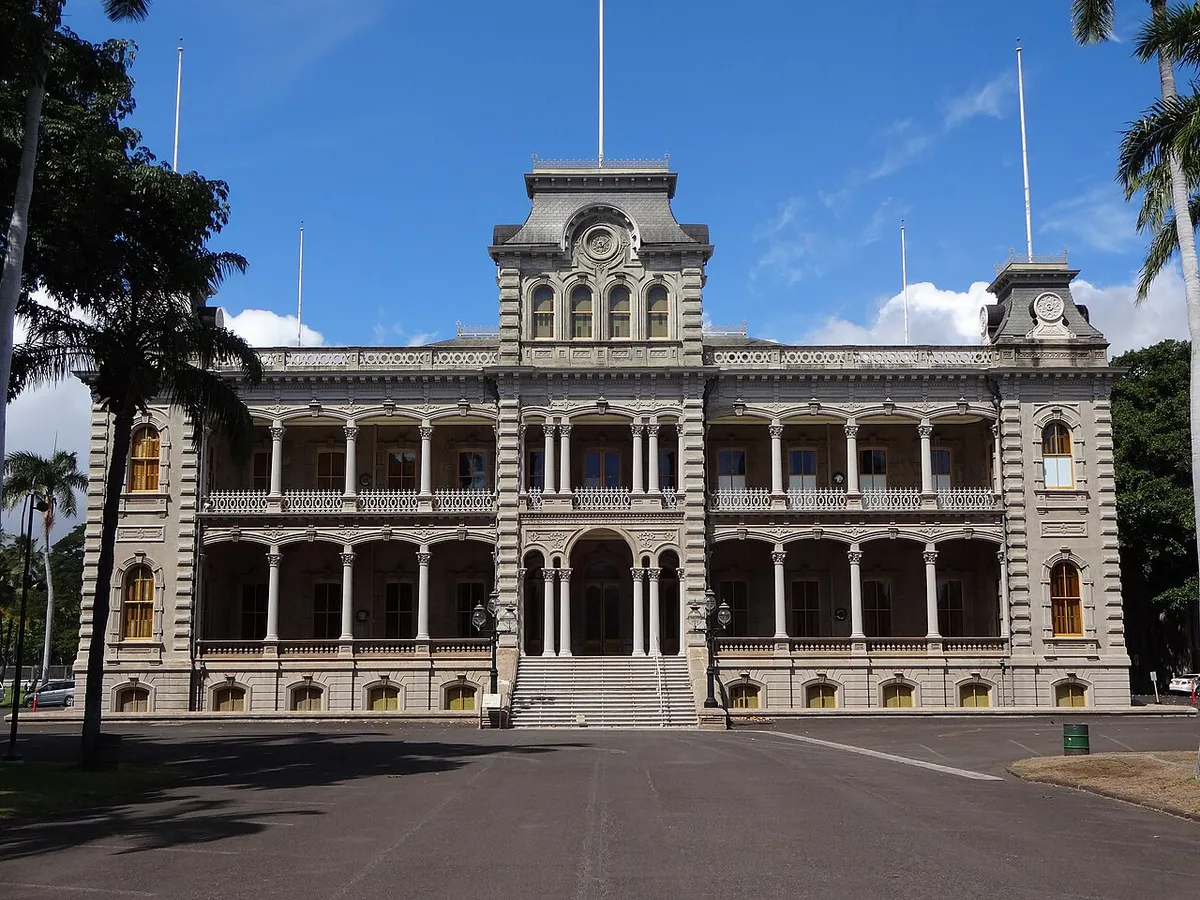
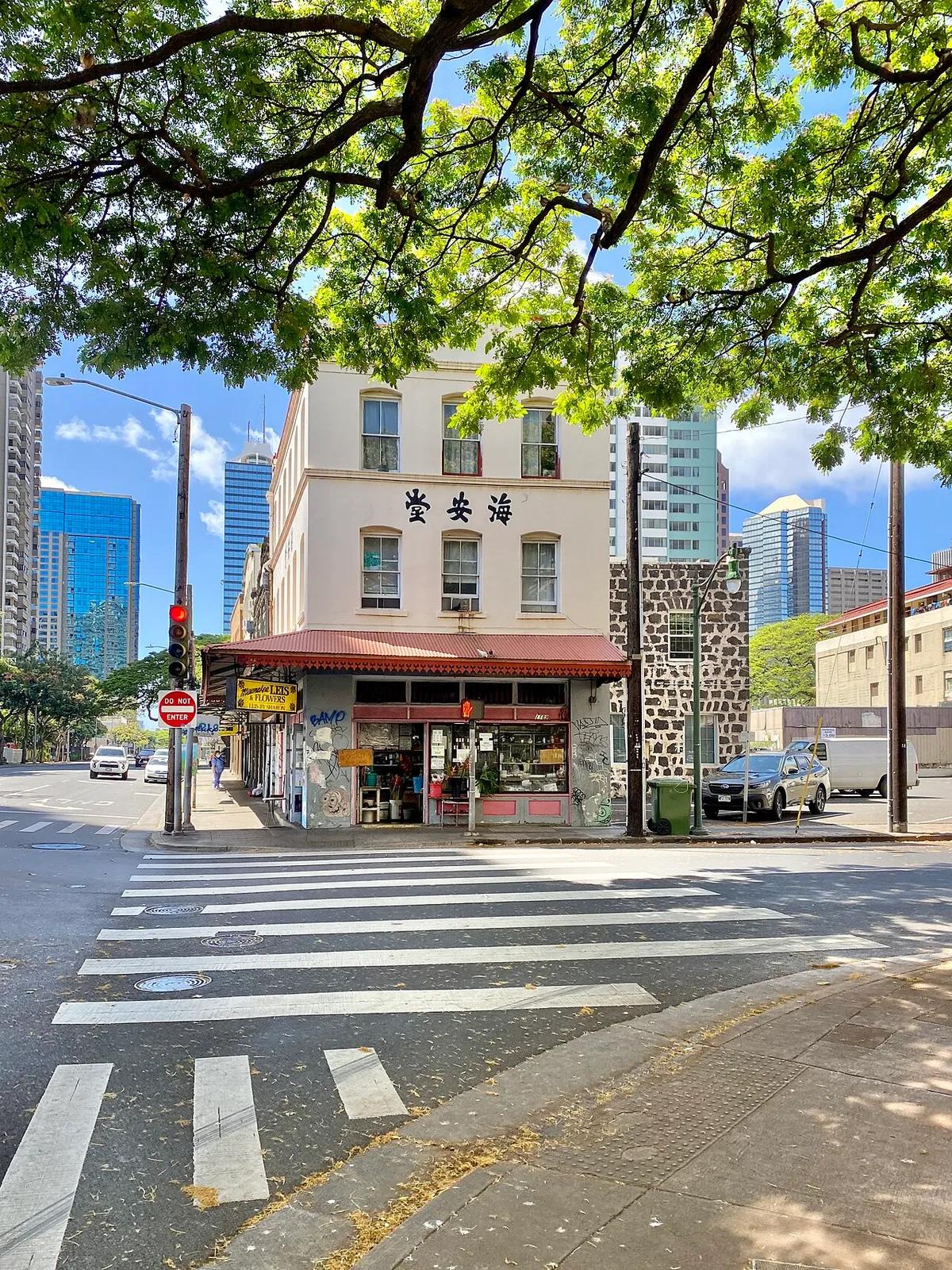
Downtown and Chinatown are Honolulu’s historic and business core. You can walk between ʻIolani Palace, the State Capitol and Aloha Tower, and Chinatown’s markets and restaurants are just to the west. There are fewer hotels than in Waikīkī, and many office blocks go quiet after business hours.
Kāhala lies beyond Lēʻahi. It is a quieter resort area with fewer restaurants in walking distance than Waikīkī. For a beach and city visit, TheBus can replace a car, but trips to the North Shore or elsewhere on Oʻahu take longer. From HNL, the W Line bus runs through downtown to Waikīkī. Skyline rail reaches the airport and western Oʻahu, not Waikīkī.