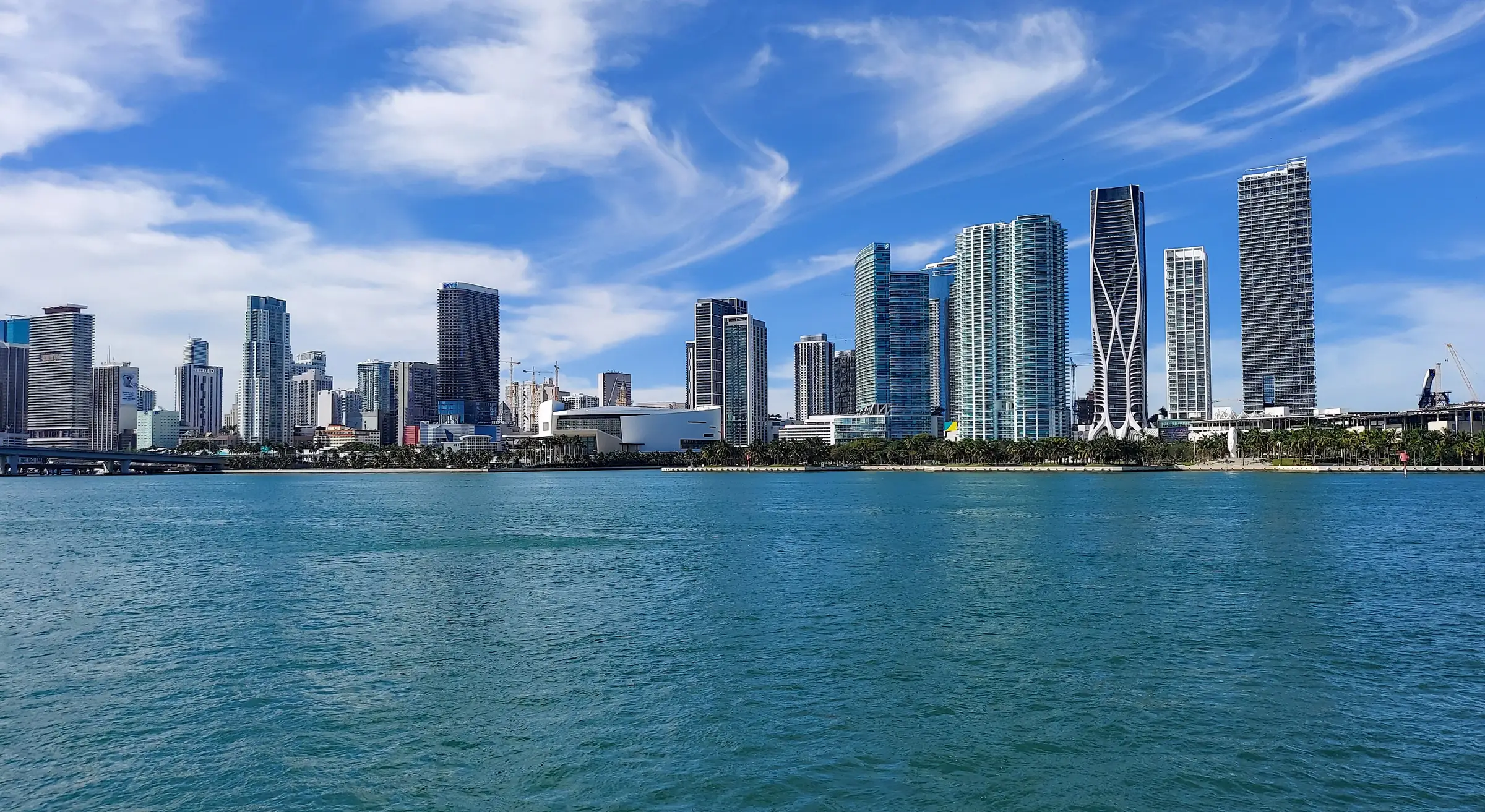
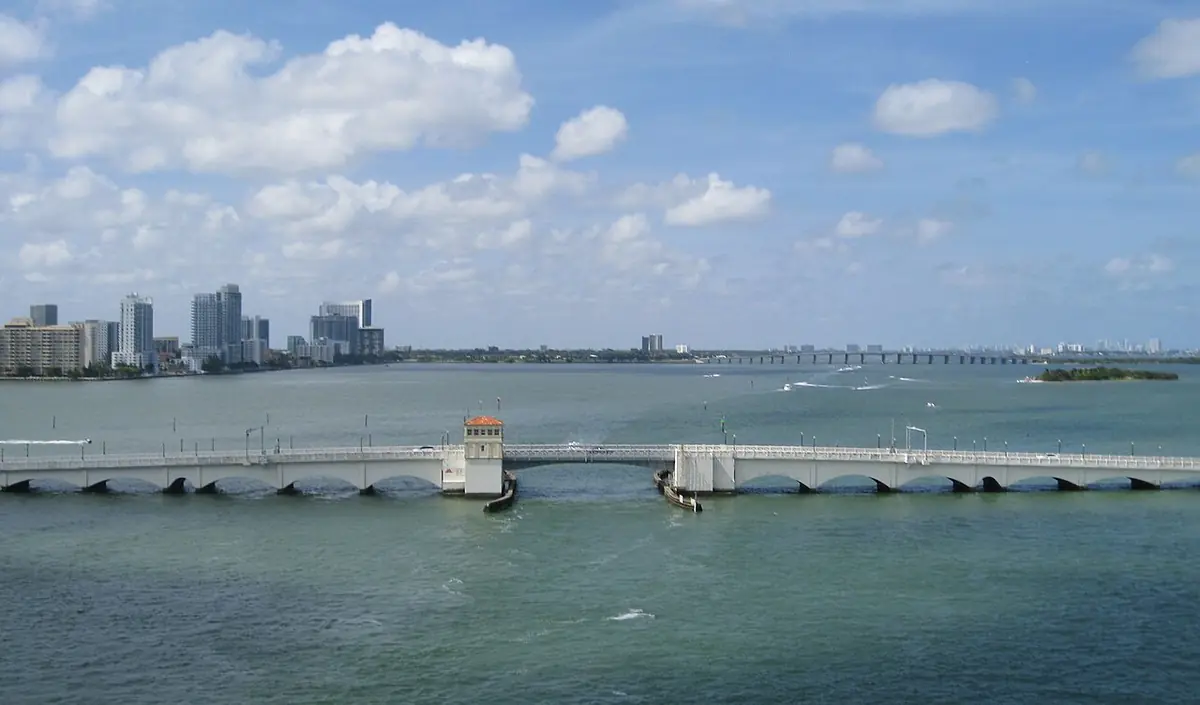
Miami is a warm, Spanish-and-English city on Biscayne Bay, with high-rise Brickell on the mainland and the Art Deco hotels and Atlantic beaches of Miami Beach just across the causeways.
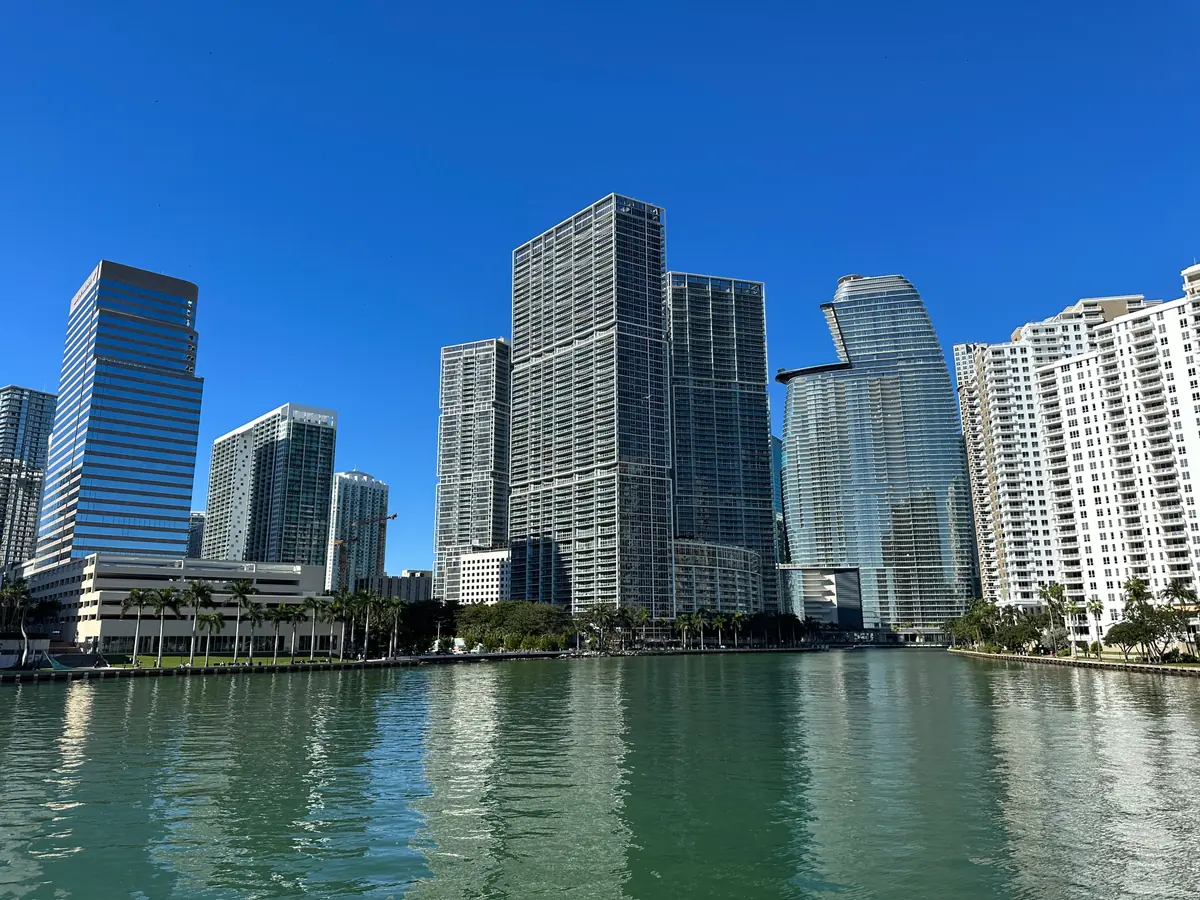
Mainland Miami sits on the west side of Biscayne Bay. Downtown and Brickell form the high-rise core, with banks along Brickell Avenue, the free Metromover looping between the towers, and Bayfront Park on the water. South of downtown, Coconut Grove and Coral Gables are greener and quieter, with shady streets, older homes and the University of Miami.
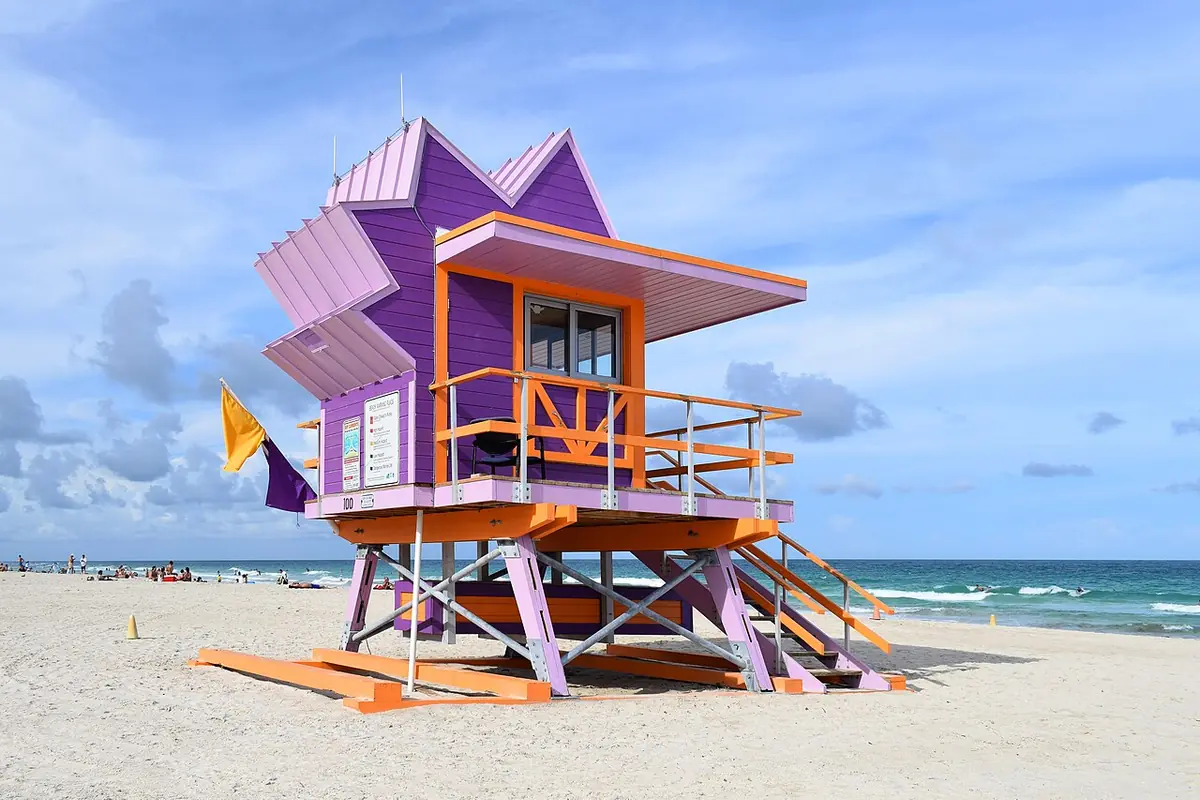
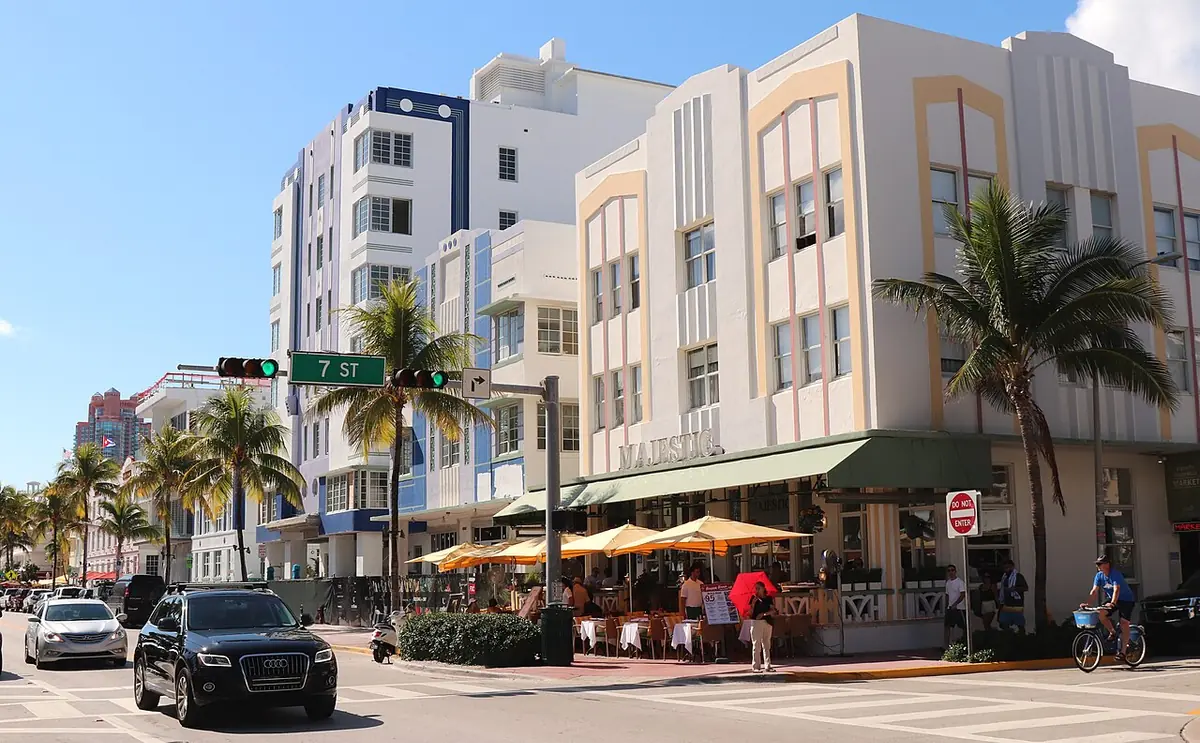
Miami Beach is a separate city on a barrier island across the bay. When people say they are going to Miami for the beach, they usually mean South Beach, its southern end. South Beach has the world's largest collection of Art Deco buildings, a long public beach and clubs that stay open until about 5 a.m. North of 23rd Street, Mid-Beach and North Beach are calmer, with big resort hotels along Collins Avenue.
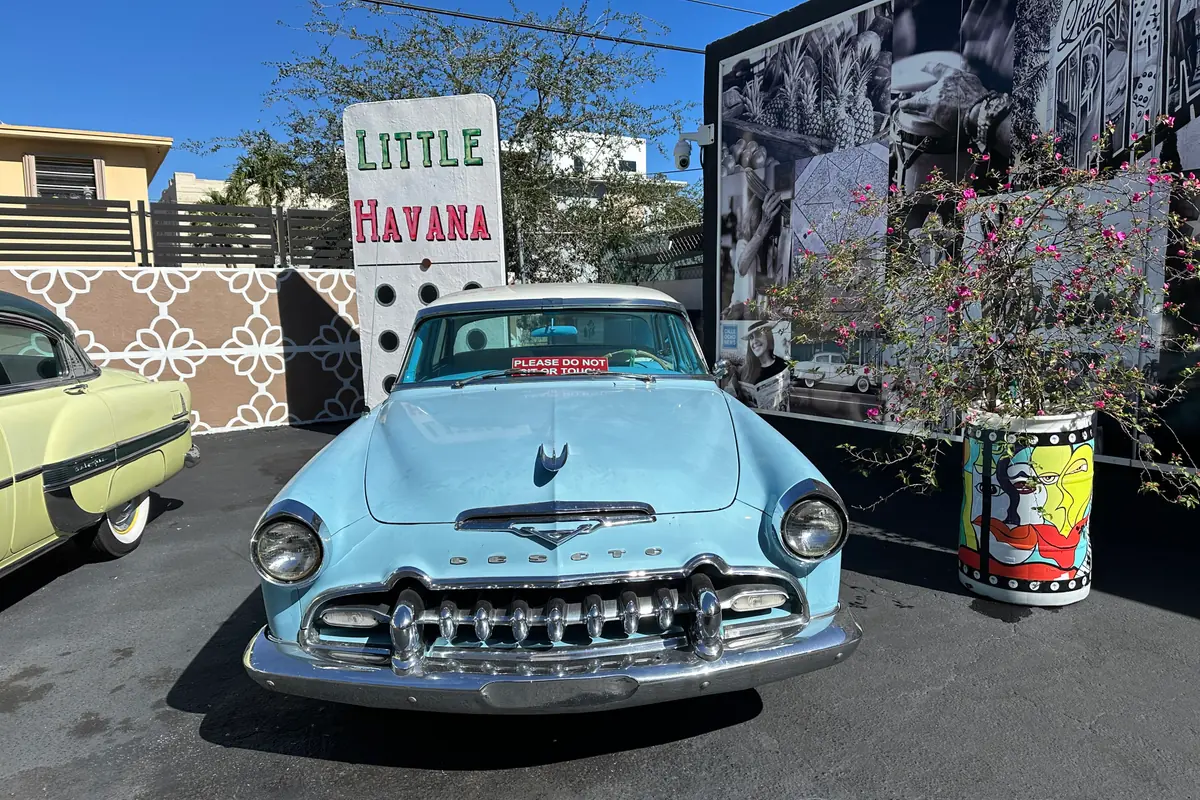
Latin America shapes daily life here. About 70% of city residents identified as Hispanic or Latino in the 2020 census, Miami has the largest Cuban-American population share of any U.S. city, and Spanish is heard as often as English. Little Havana, west of downtown, is the best-known Latin neighborhood, and its Calle Ocho street festival in March is free to attend.
Winters are dry and warm, with daytime highs in the mid-70s °F. From May to October it is hot and humid, and afternoon thunderstorms are common. Hurricane season runs June 1 to November 30. You can manage without a car in Downtown, Brickell and South Beach, but Key Biscayne, the Design District and day trips are much easier by car. If you drive, check what your hotel charges for parking before you book.