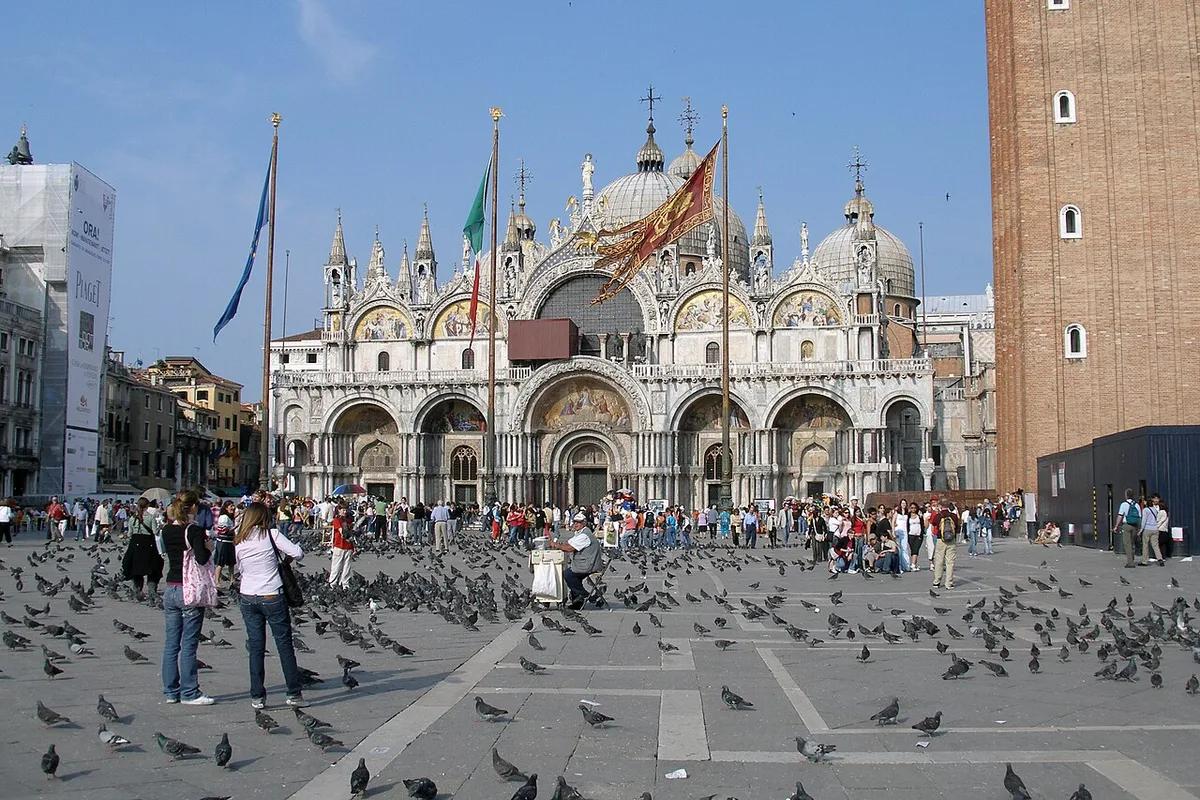
Venice is built on islands in a shallow lagoon. Stay in San Marco to be near the basilica and the Doge’s Palace. Cannaregio, Dorsoduro and Castello are farther from them, with quieter canals and local streets.
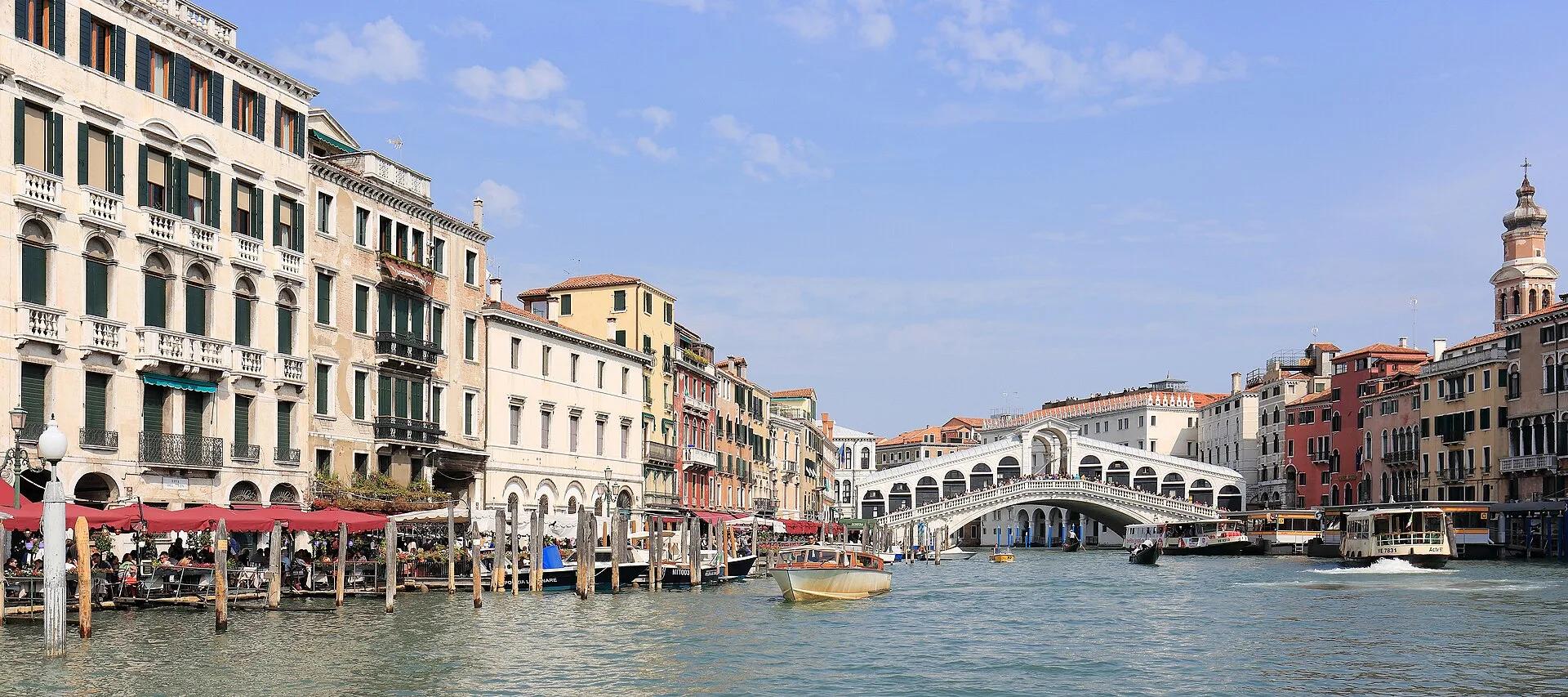
The historic centre has six sestieri, joined by bridges and linked by waterbuses. San Marco has Piazza San Marco, the basilica and La Fenice. Across the Grand Canal, San Polo has the Rialto market and the Frari. The streets between Rialto and San Marco fill up fast, especially during the day.
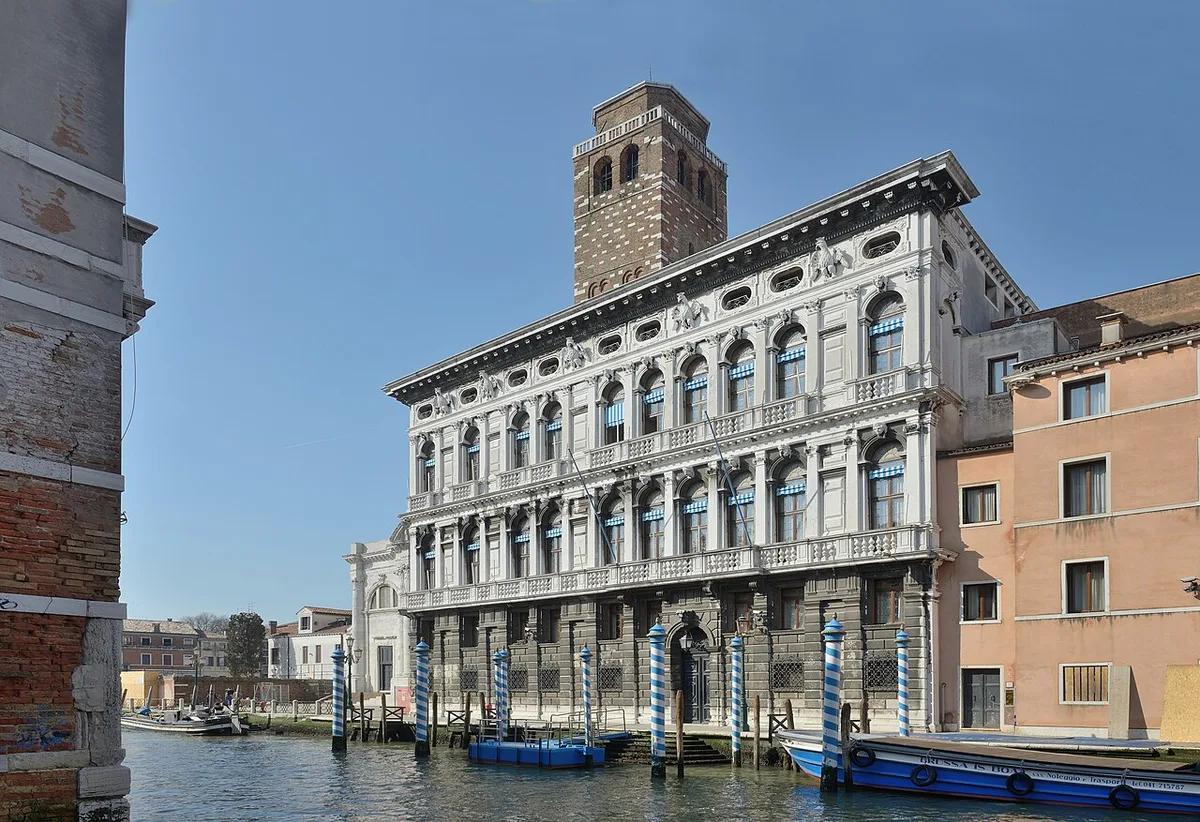
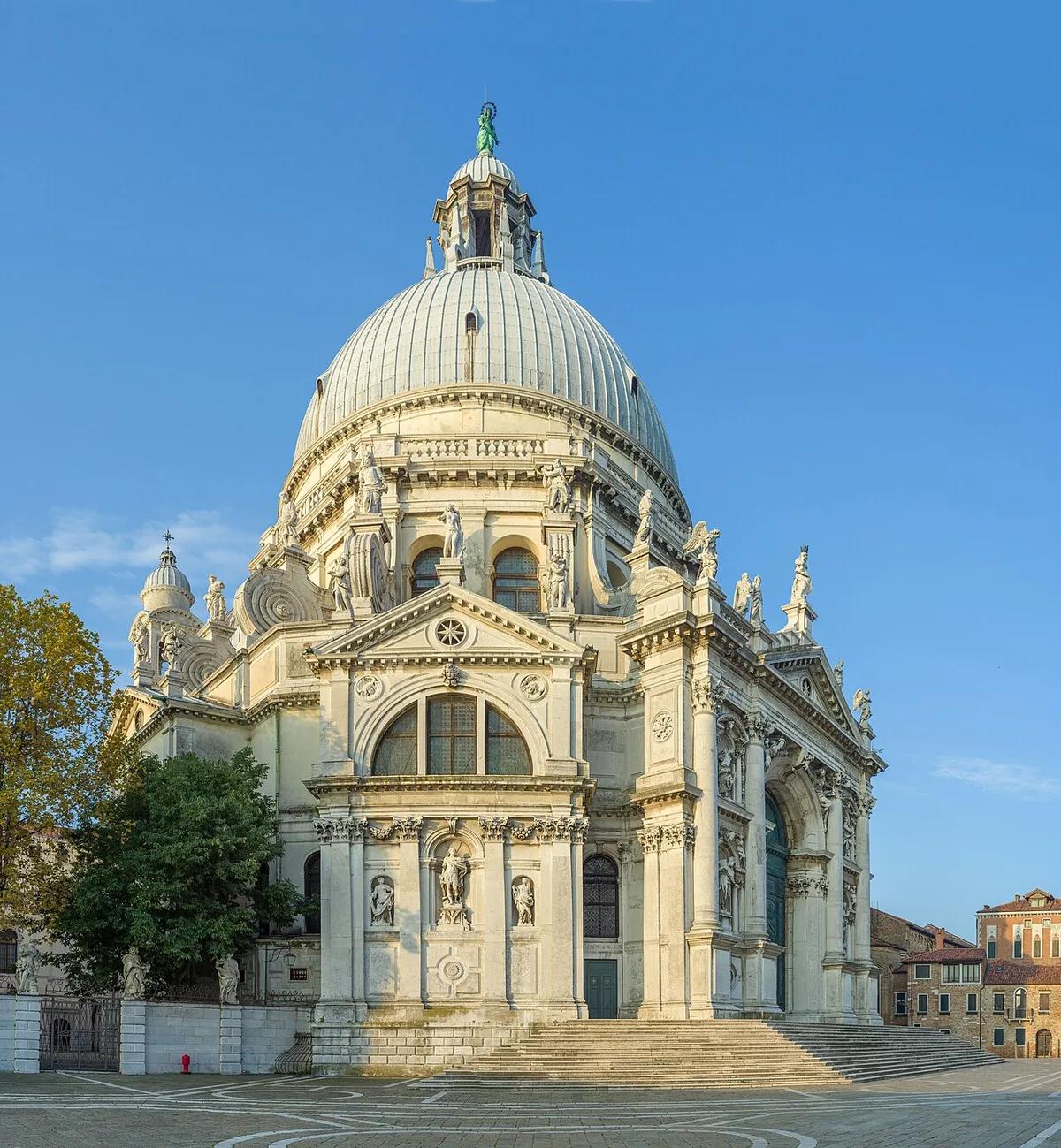
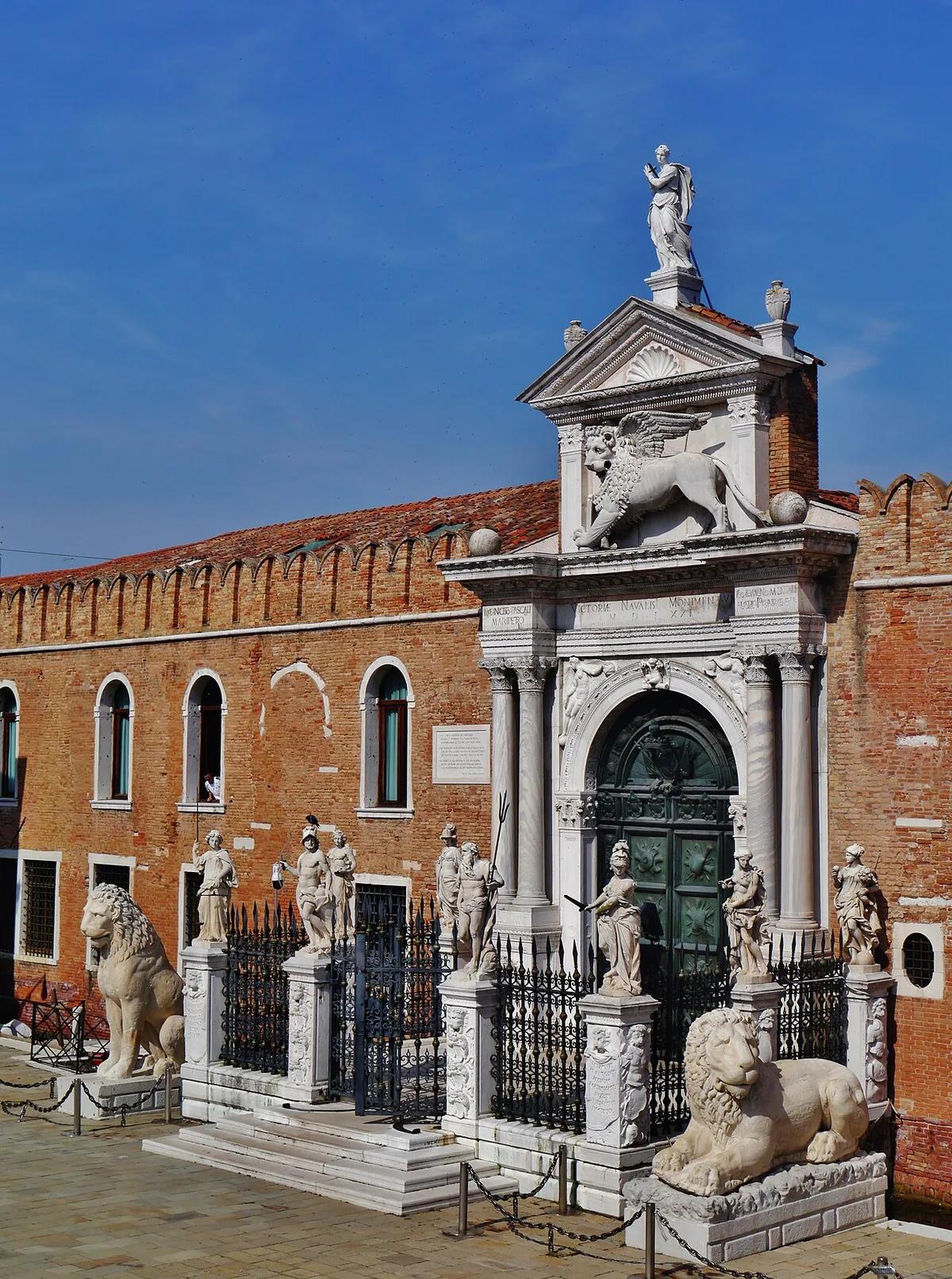
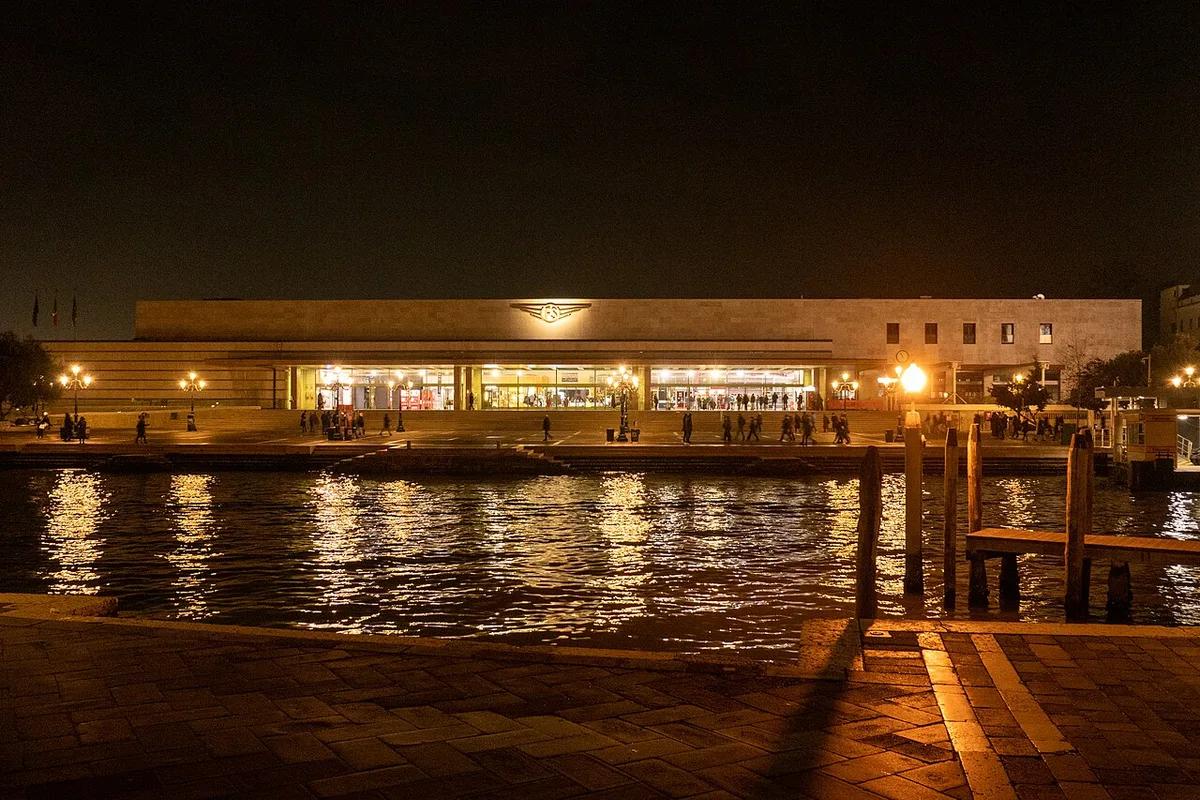
Cannaregio runs from Venezia Santa Lucia station toward Fondamente Nove, with the Ghetto and long canalside walks. Santa Croce meets the bus terminal at Piazzale Roma. Dorsoduro has the Accademia, the Peggy Guggenheim Collection and the Zattere waterfront, and the Accademia Bridge links it to San Marco. In eastern Castello, the Arsenale and Giardini lie beyond the busiest central lanes.
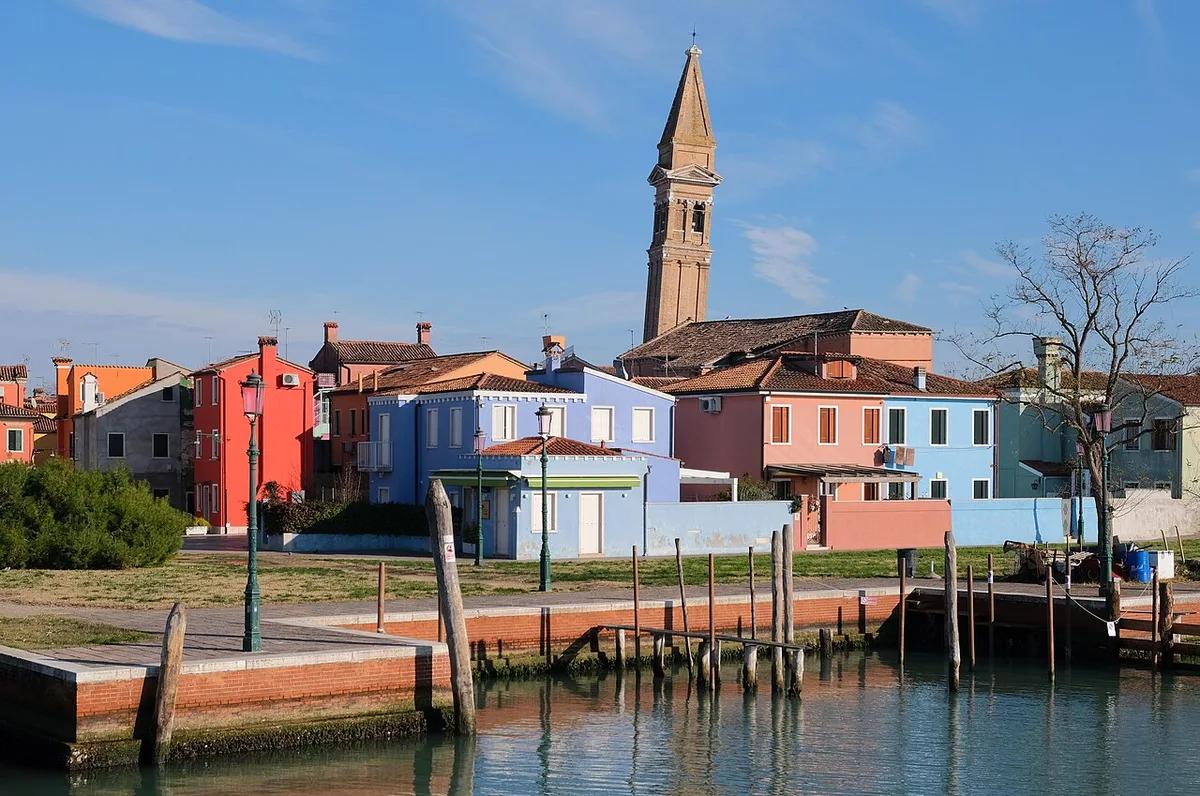
Lido is a separate island with beaches and a vaporetto connection to the historic centre. Mestre is on the mainland. Trains and buses cross the lagoon, but the crossing plus a walk or boat ride at the other end adds time every day. Stay on the islands if you want evening walks. A mainland room makes sense for rail trips, airport access or a tighter budget.
Walk Venice, and take a vaporetto for long stretches and the other islands. Cars stop at Piazzale Roma or Tronchetto. With luggage, the bridges, stepped crossings and twisting lanes take longer than the map suggests. Spring and autumn are best for long walks. Summer is warm and humid, and winter can bring damp air and high water.